
Twin Talks Rome 2025
How Digital Technology Can Combat Corruption and Build Better Public Infrastructure

By Daniel Galle,
Director of Infrastructure Policy Advancement,
Canada, Bentley Systems
On November 14, Bentley Systems partnered with the SDA Bocconi School of Management to explore this critical question, bringing the global Twin Talks series to Rome for the first time. The series examines global best practices for local infrastructure challenges, creating an opportunity to learn from successes and share lessons worldwide. This session brought together leaders from government, finance, and international organizations to explore how digital solutions can empower and safeguard public procurement.
Digital technologies, such as e-procurement platforms and Building Information Modelling (BIM), offer powerful tools to reform public infrastructure procurement. Modern, data-driven, and transparent systems not only reduce inefficiency and corruption but also pave the way for more resilient, cost-effective, and citizen-focused infrastructure.

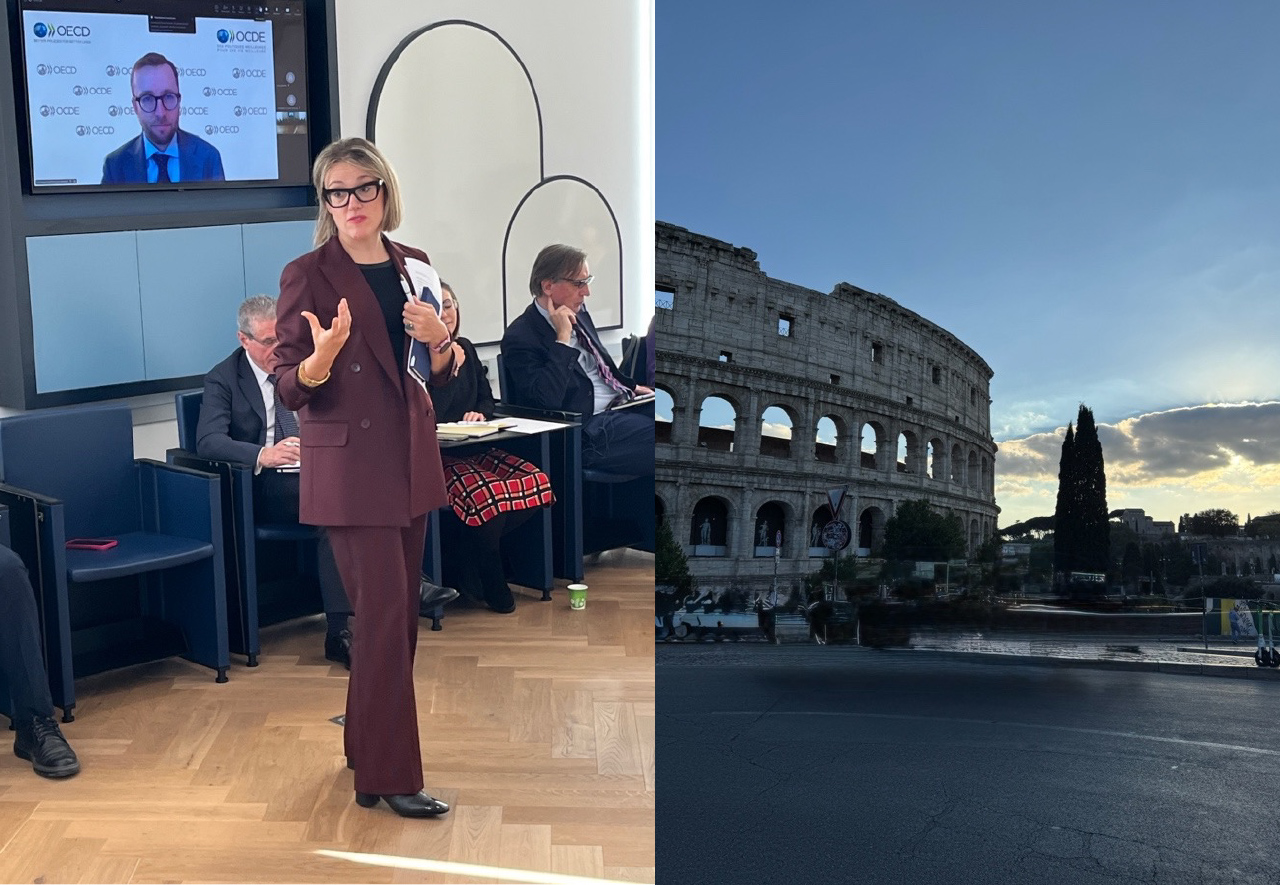
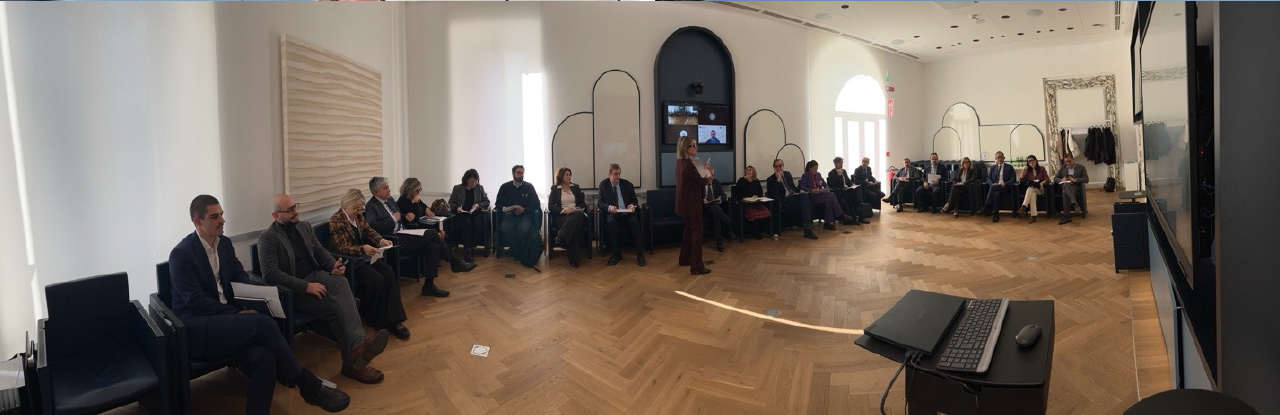
The event featured a roundtable discussion led by Professor Veronica Vecchi, which drew on examples from the Milan–Cortina 2026 Olympic Games and other major projects across Italy. The discussion highlighted how digital innovation enhances governance and transparency and considered future opportunities to scale these practices across Europe. Participants exchanged ideas that will contribute to a forthcoming white paper from Bocconi University and Bentley Systems.
A striking theme from the discussion was the critical role of legal controls in delivering large-scale public projects. Italy has a robust legal framework to prevent corruption and infiltration by organized crime in public works, centred on its Public Contracts Code. This code integrates stringent anti-mafia measures throughout the entire procurement lifecycle. Underscoring this commitment, Italy mandated the use of certified Digital Procurement Platforms (PADs) for all public contracts as of January 1, 2024, marking a significant shift to a fully digitized process.
The Milano-Cortina Winter Olympics serve as a powerful case study. The need for absolute transparency and security drove the adoption of several key digital tools to ensure project integrity:
The Anti-Mafia Registry: Registration in this national database became mandatory for any organization wanting to participate in public tenders for the Olympics.
Centralized Data Registry: A legal protocol required all contracting authorities to establish a dataset collecting relevant information during contract execution, including detailed data on worksites and the full supply chain.
A crucial element was the use of a common digital platform for data collection, which streamlined oversight and anti-mafia controls. For instance, the organization responsible for the Olympic infrastructure (SIMICO) shared its data registry with other contracting authorities, promoting data harmonization. These digital systems, capable of monitoring construction site activity, ensure strict compliance and significantly reduce risks.
By strengthening governance and adopting digital platforms that integrate open data, Italy is setting a new standard for global best practices. This digital framework has the potential to extend to other critical areas, such as environmental monitoring, which can help align infrastructure projects with green finance principles.
Ultimately, Italy’s experience underscores that robust legal controls and digital integration are global imperatives. The nation’s model is reinforced by ANAC (The National Anticorruption Agency), an independent authority responsible for overseeing public procurement and its digitalization. As an authority free from political influence and self-financed, ANAC represents a powerful commitment to integrity, a model worth studying and replicating far beyond Italy’s borders.
In early 2026, Bentley, in partnership with SDA Bocconi, will release a white paper examining the role of digitalization in improving the governance of mega-projects. Follow us for updates on the release of this important research and to join the conversation.